
Succulents & Arid Plants
Young plant liners in this category, produced in‑house via tissue culture to support consistency and reliable scheduling.
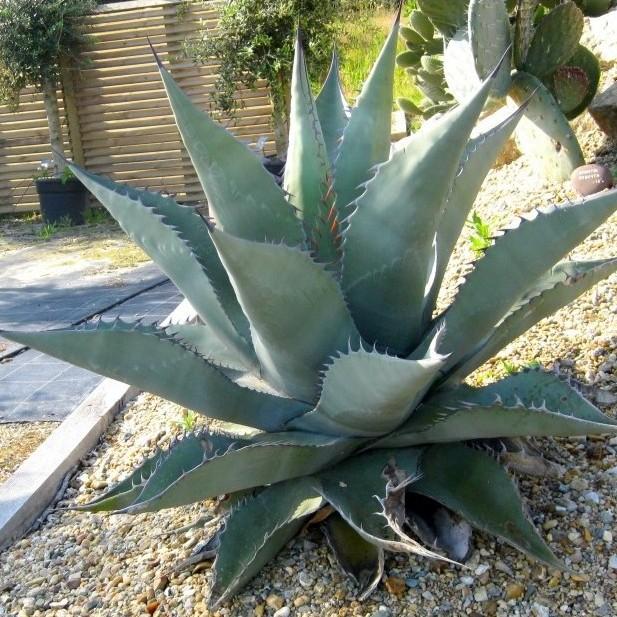
Rough Century Plant
Agave asperrima, also known as rough agave, forms a solitary rosette of thick, gray-green to silvery-blue leaves with a sandpapery texture and sharp dark terminal spines along toothed margins. Native to northern Mexico and far south Texas, it reaches about 3-4 feet tall and wide, offsetting at the base to form colonies over time. Like other agaves it is monocarpic, sending up a tall flower stalk once at the end of its life before the rosette dies, making it a bold architectural accent for xeriscapes and container plantings.
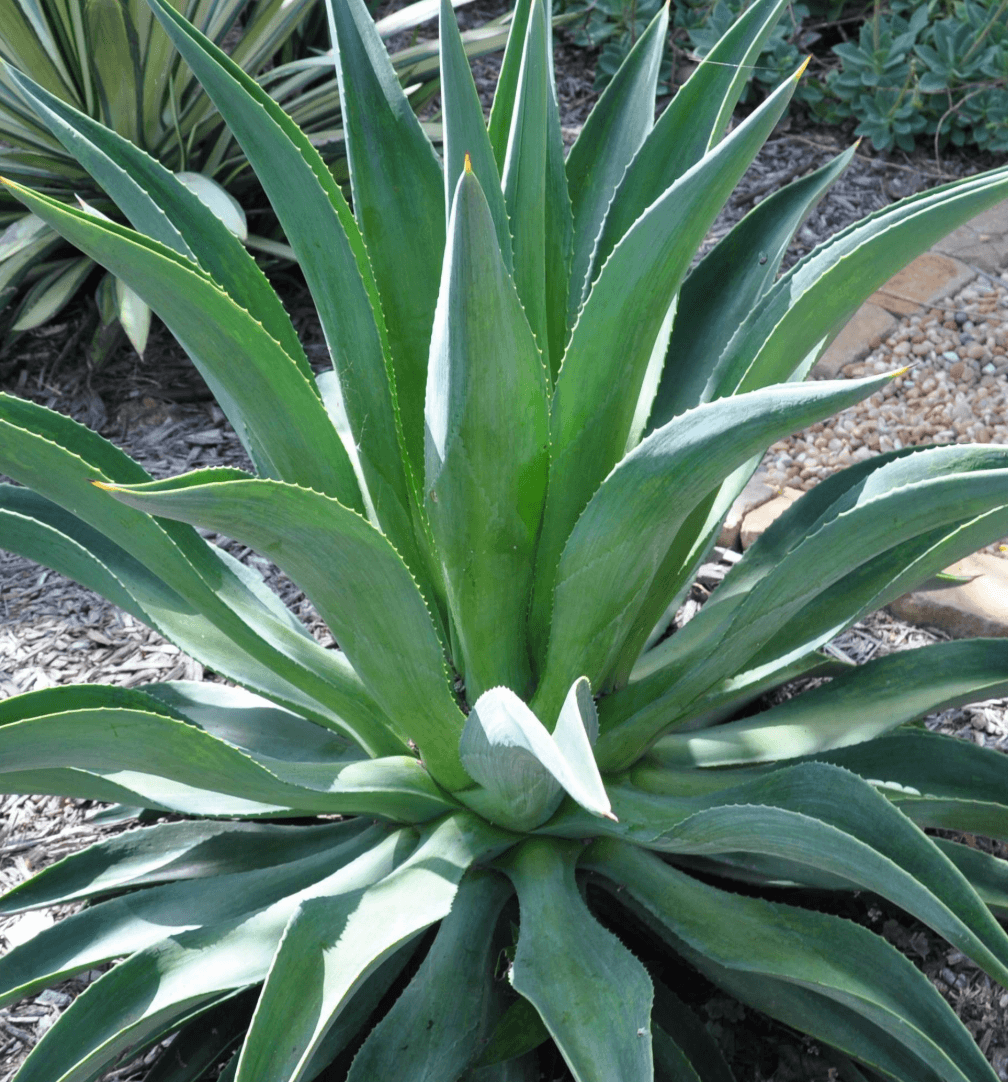
Smooth Agave
Agave desmettiana, or smooth agave, is a fast-growing agave popular for its bright green leaves and lack of spines on the margins. It grows in an upright, urn-shaped habit, and the rubbery leaves can reach 3 feet long, ending with a single reddish spine. It is an attractive choice as a drought-tolerant plant, and requires very little watering once established.
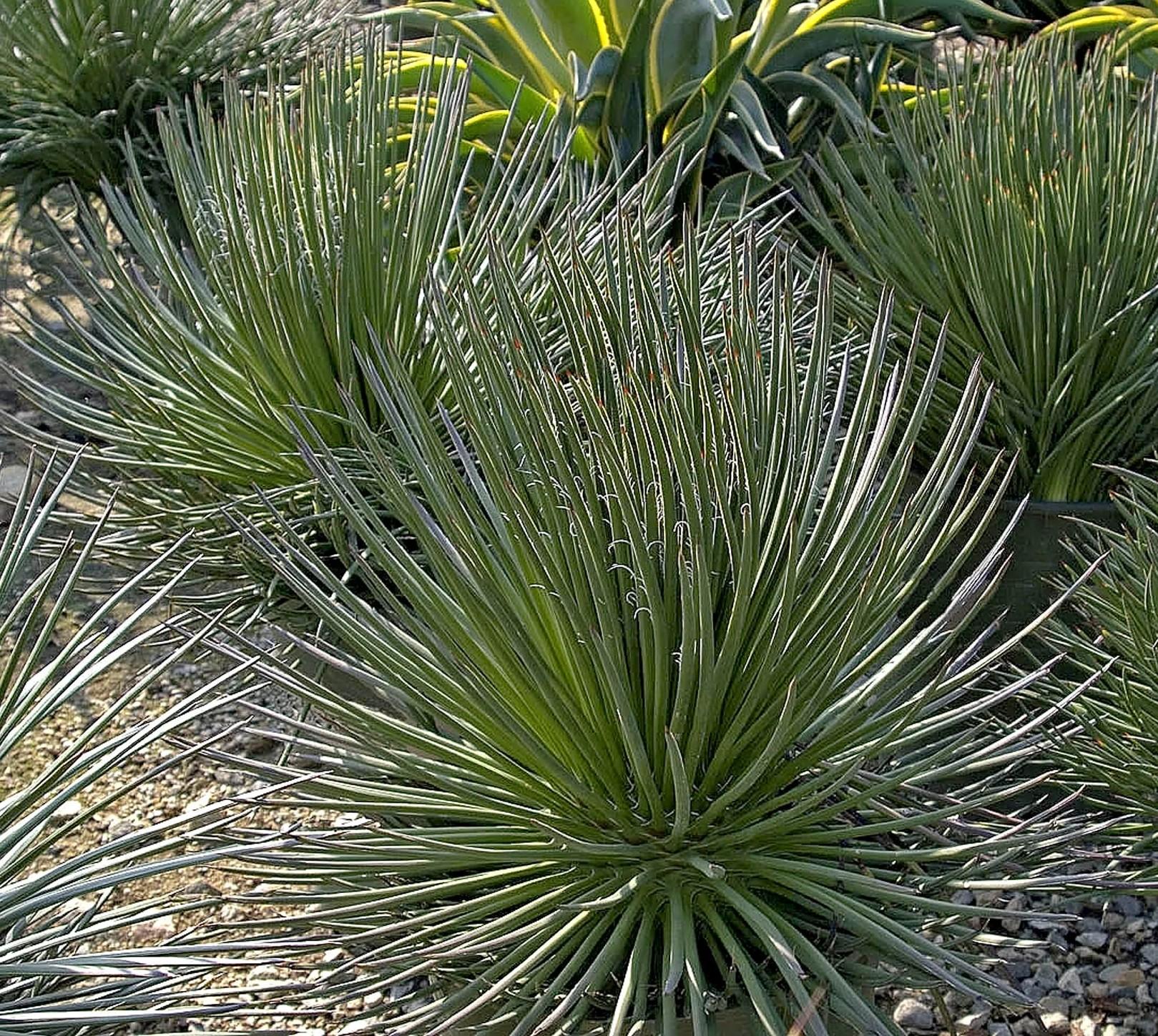
Twin-Flowered Agave
Agave geminiflora forms a dense, symmetrical rosette of hundreds of very narrow, flexible, dark green leaves that resemble a fountain or sea urchin, with white curling fibers along the leaf edges. An unarmed (spine-free), slow-growing succulent, it makes a striking textural centerpiece in containers or low-water landscapes, and at the end of its life sends up a dramatic, towering flower spike.
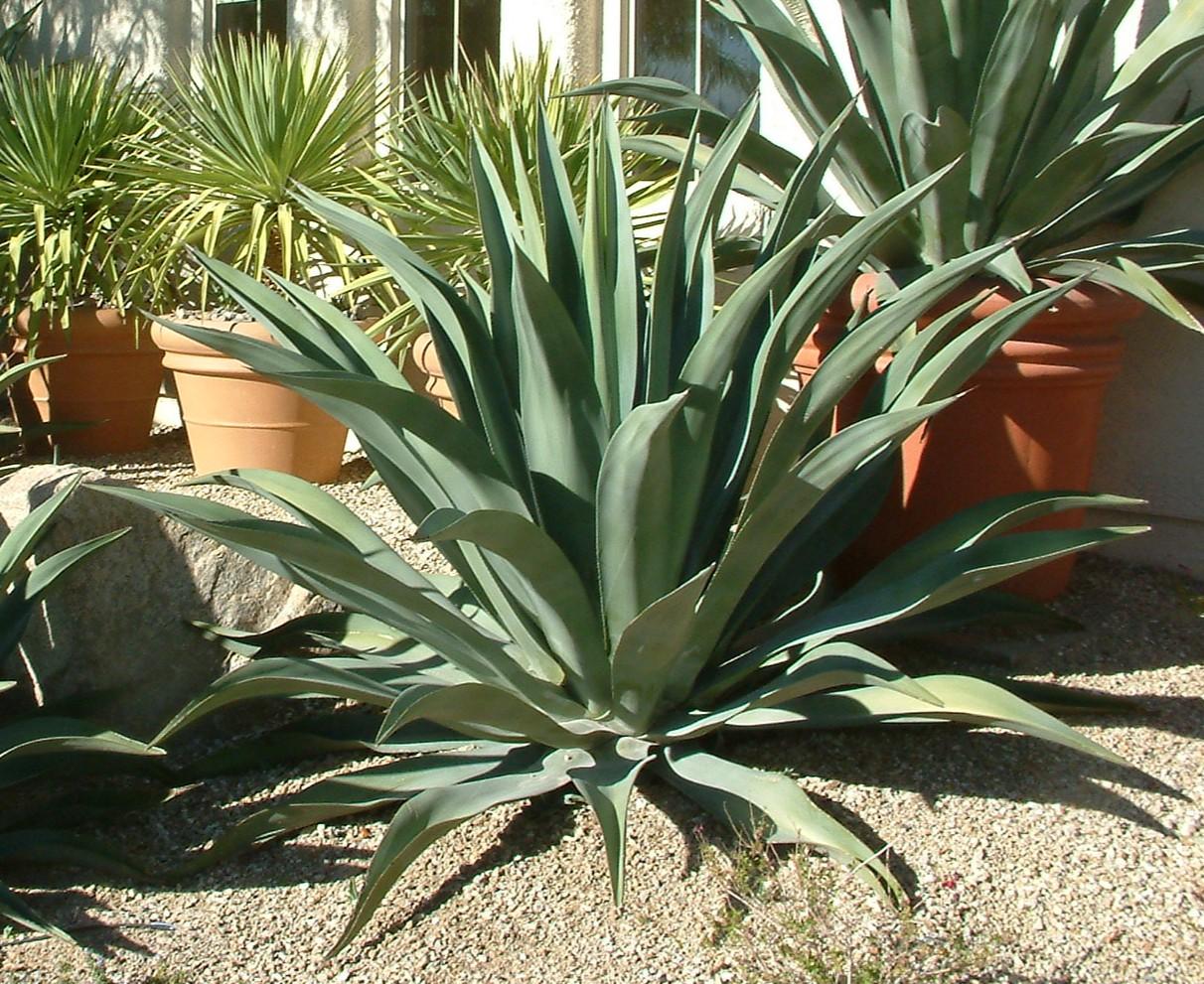
Weber's Agave
Agave weberi is a bold, fast-growing succulent forming a large, open rosette of thick, pale gray-blue to bluish-green leaves edged with small teeth and tipped with a sharp spine. A dramatic architectural accent for xeriscapes and rock gardens, it eventually sends up a tall branched flower spike with yellow blooms before the rosette dies, leaving behind numerous offsets to carry on.
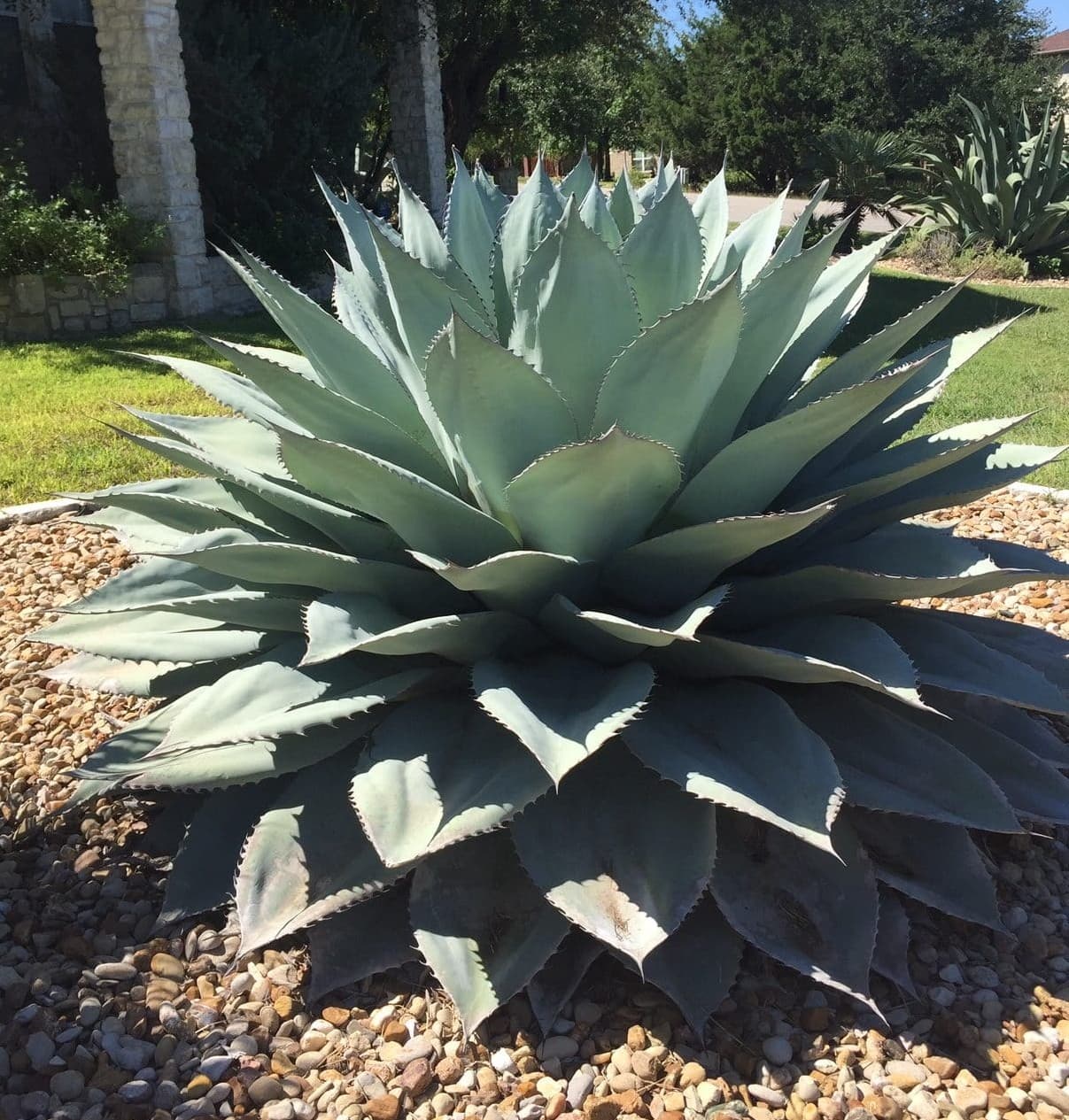
Whale's Tongue Agave
Agave ovatifolia, the Whale's Tongue Agave, forms a bold symmetrical rosette of thick, wide, powdery blue-gray leaves with small marginal teeth and a sharp terminal spine. Native to the mountains of Nuevo León, Mexico, it is prized as an architectural accent in xeriscape beds, rock gardens, and large containers. A mature plant will eventually send up a tall branched flower stalk before the rosette dies, as is typical of monocarpic agaves.
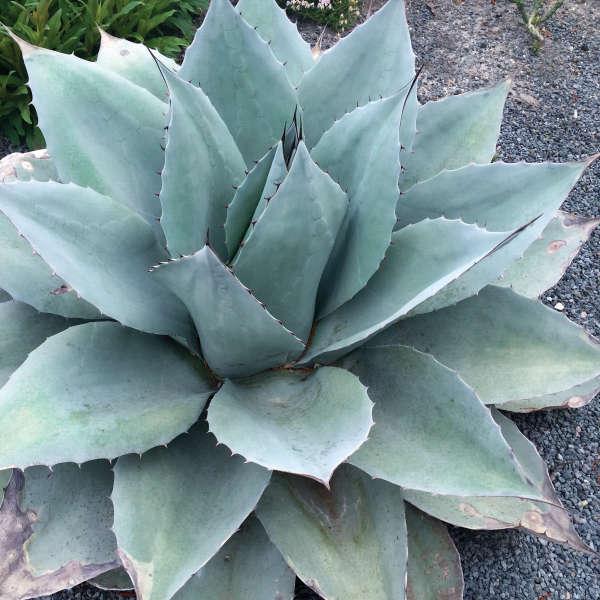
Whale's Tongue Agave 'Frosty Blue'
A striking evergreen succulent forming a solitary, symmetrical rosette of thick, cupped, powdery blue-gray leaves edged with small dark teeth. Surprisingly cold-hardy for an agave, it makes a bold sculptural accent in rock gardens, xeriscapes, or decorative containers. Mature rosettes flower only once, sending up a dramatic flower spike before the plant declines.
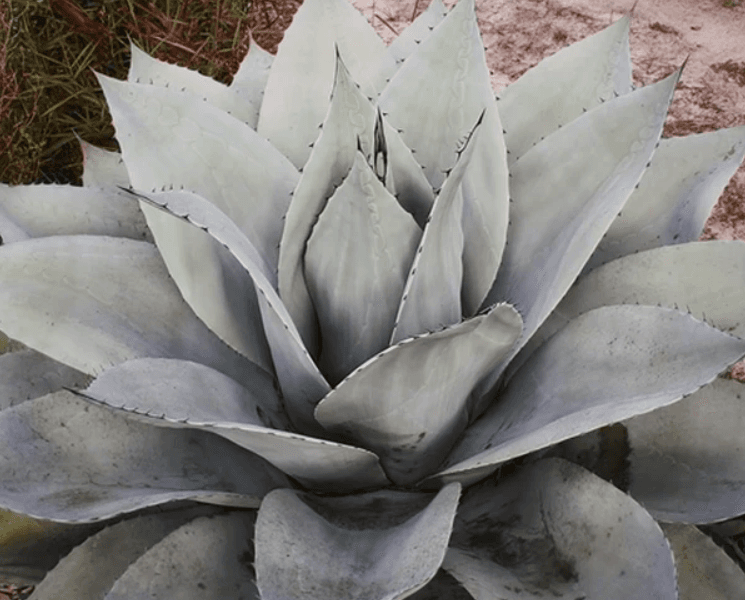
Whale's Tongue Agave 'Sierra Lampazos'
Sierra Lampazos Agave is a striking selection of Whale's Tongue Agave, forming a bold, symmetrical rosette of thick, powder-blue to silvery-grey leaves with a distinctive cupped, gutter-like upper surface. Native to the Sierra de Lampazos region of Nuevo León, Mexico, this clonally propagated selection is prized for its heavy substance leaves and outstanding cold and wet-climate tolerance compared to other agaves. A dramatic architectural focal point for xeriscapes, rock gardens, and large containers.